
By PTI
Solar equipment manufacturers have not received any funds under the ₹24,000-crore production linked incentive (PLI) scheme for them till February-end, Parliament was informed on Wednesday.
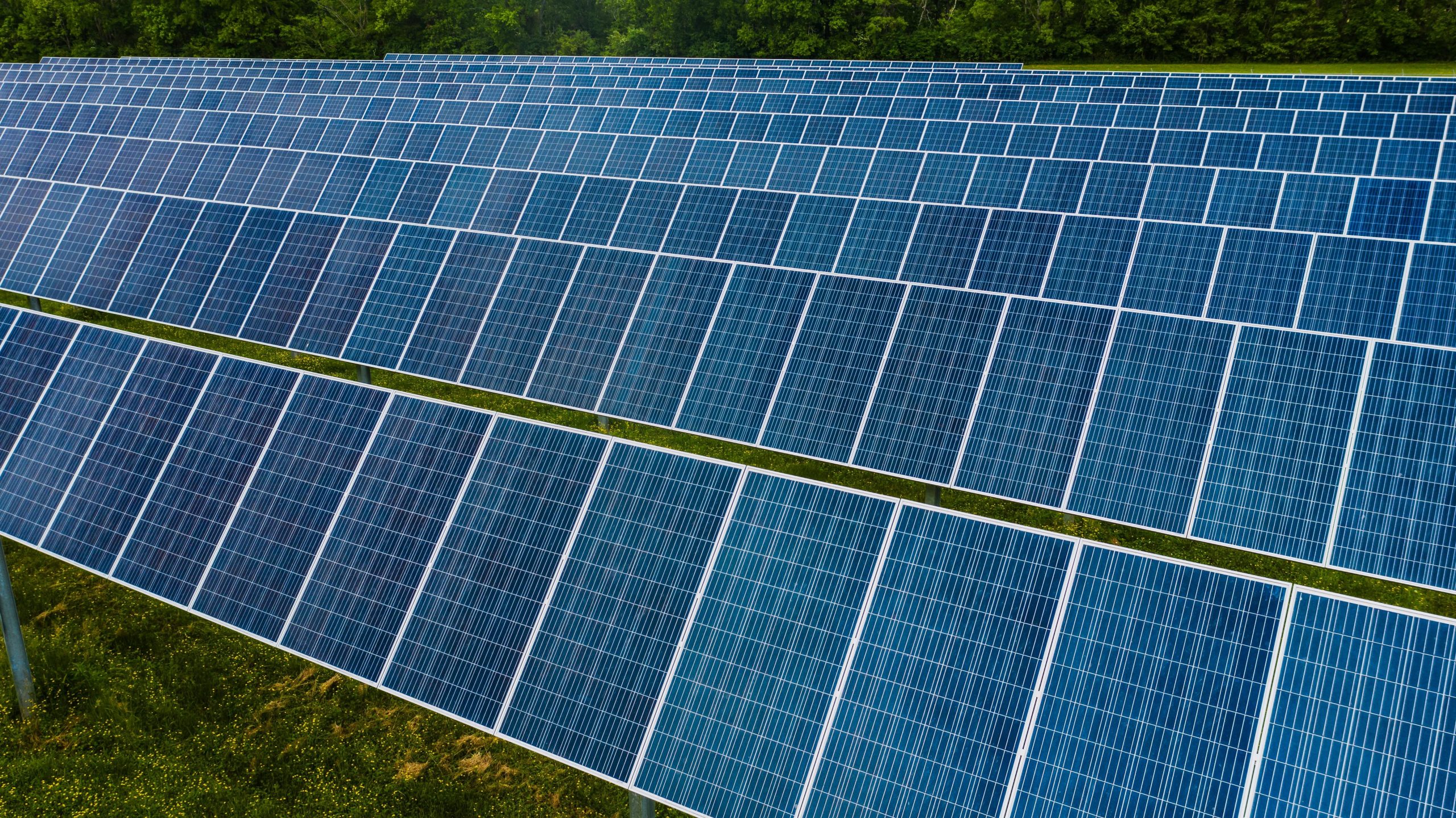
The Ministry of New and Renewable Energy, Government of India, is implementing the PLI Scheme for High Efficiency solar PV modules with an outlay of ₹24,000 crore.
The minister said as on February 28, 2026, no funds have been released under the scheme, as it provides for the release of PLI to successful bidders a year after commissioning of the manufacturing projects awarded under the scheme.
Until now, this one-year post-commissioning period has not been completed in respect of the projects awarded under the scheme, he stated.
Under the scheme, around 30 GW of solar PV module manufacturing capacity, around 10.5 GW of solar PV cell manufacturing capacity, and around 2 GW of ingot-wafer manufacturing capacity have been set up.
These capacities include around 3.4 GW of fully integrated thin-film solar PV module manufacturing capacity. Of the awarded capacity, 4 GW of integrated capacity for solar cells and modules, have been declared commissioned in October 2025.
He further stated that the comparatively lower progress in upstream components such as polysilicon and wafer manufacturing under the scheme, is primarily due to various difficulties associated with setting
up of facilities, including but not limited to lack of prior domestic experience.
In addition, he stated that the global supply chain for upstream solar PV components is concentrated in a limited number of countries, and the domestic ecosystem for these segments is still at a nascent stage.
He noted that the government is aware of the dependence on imported raw materials, specialised manufacturing equipment, and technical expertise, in the upstream segments of the solar PV manufacturing value chain.
The PLI Scheme for High Efficiency Solar PV Modules has been designed to encourage vertically integrated manufacturing, including polysilicon, wafers, cells, and modules, with higher incentives provided for higher extent of integration.
Further, domestic manufacturing of other ancillary inputs used in solar module manufacturing, like solar glass, aluminium frame, encapsulant, tinned copper interconnect, etc, are also being supported through one or more of the policy measures like imposition of basic customs duty on finished product, exemption of basic customs duty on specified inputs, anti-dumping duty, etc
The ministry has launched various capacity-building and skill-development programmes to create a skilled workforce across different segments of the renewable energy sector.
These measures are aimed at strengthening domestic manufacturing capabilities and reducing dependence on imports over time, the minister explained.