
By Enersider Desk | New Delhi
The Union Government has improved their system for distributing LPG subsidies through measures aimed at improving transparency, efficiency, and preventing misuse.The Minister of Petroleum and Natural Gas, Hardeep Singh Puri, said in a written reply to the Rajya Sabha, detailed reforms under the PAHAL (Direct Benefit Transfer for LPG) scheme, Aadhar card – based authentication, and strict inspections.
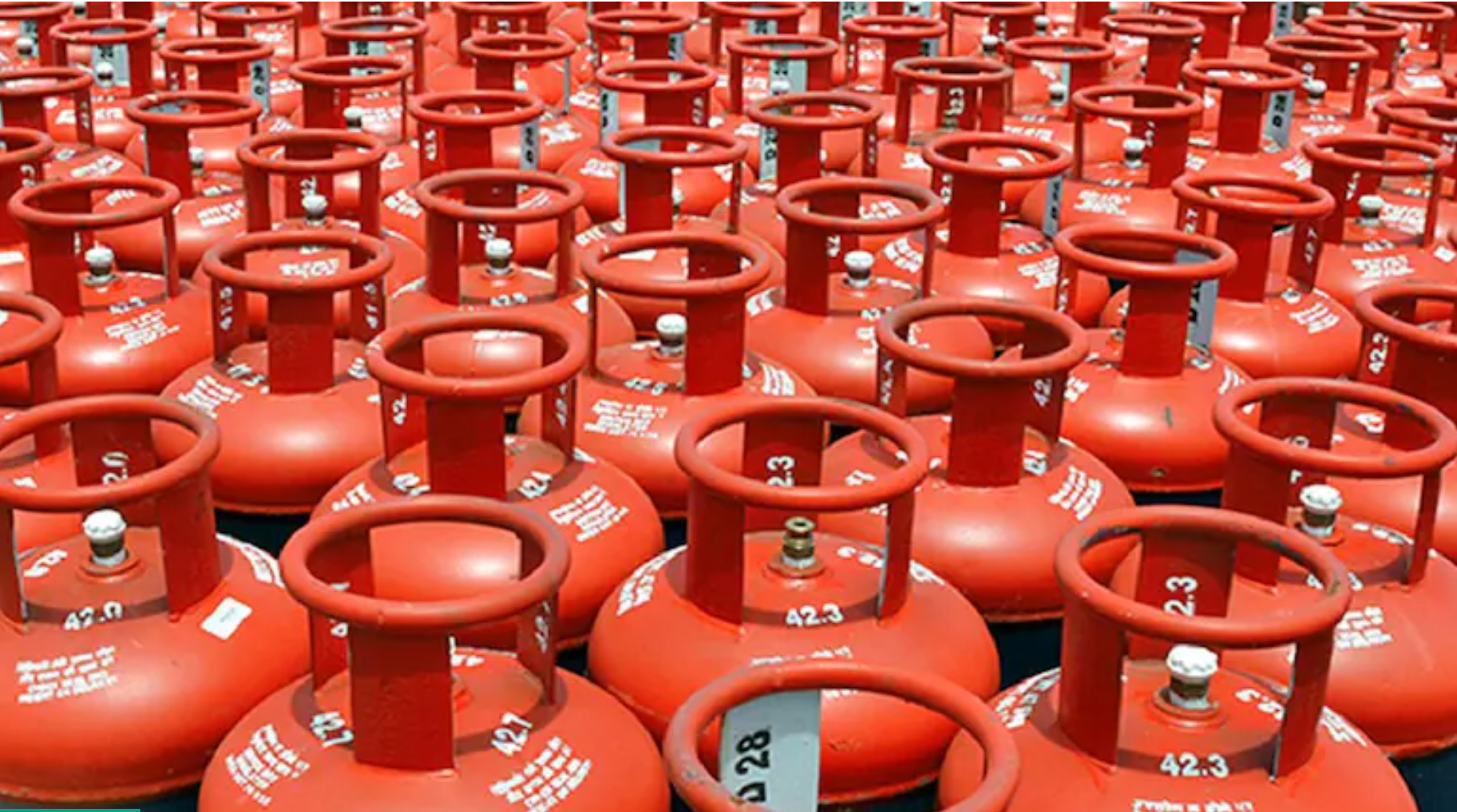
Under the PAHAL scheme, which was initiated in 2015, consumers purchased their LPG cylinders at non- subsidised rates and the subsidy is then transferred directly to their bank accounts. SMS alerts inform consumers at each stage, from booking to delivery, and a Delivery Authentication Code (DAC) ensures only the intended recipient receives the cylinder.
A major focus has been eliminating fake or duplicate connections. As of July 1, 2025, over 4.08 crores of such connections have been deactivated. The Common LPG Database Platform uses Aadhar, bank details, and other identifiers for de-duplication. Biometric Aadhar authentications have been completed for 67% of existing PMUY beneficiaries, with all connections undergoing biometric verification. To further tighten the system, 8.49 lakh ineligible PMUY connections have been terminated since the scheme began, and a recent SOP removed 12,000 inactive accounts. Currently, 92.44% of active LPG consumers have their Aadhar linked to their accounts, and 86.78% of DBTL users are fully Aadhar compliant. Inspections by Oil Marketing Companies (OMCs) and government agencies check for irregularities in LPG distribution, with penalties for violations.
During 2024-25, 194 crores of LPG refills were delivered, with complaints for only 0.08% of deliveries. A third-party evaluation found over 90% satisfaction with the subsidy process, recommending improvements in payment systems, grievance redressal, and awareness campaigns. The government has urged consumers to use helplines, apps, CPGRAMS, and social media channels to report subsidies or deliver issues, ensuring continued transparency.