
India’s climate transition is dependent not only by the scale of its renewable energy capacity, but also by its ability to make clean energy work for rural livelihoods. In this context, the emergence of Green Dairies offers a practical and climate-resilient pathway for rural India. Green Dairies combine decentralised renewable energy, reliable cold-chain infrastructure, reduced fossil-fuel dependence, and stronger livelihood outcomes for dairy-producing households.
Across many districts in rural India, unreliable electricity continues to push livelihood enterprises, especially the ones that deal with perishable products, towards diesel-based power. For small businesses that depend on cooling, processing, or mechanised operations, power interruptions are not just an inconvenience; they directly affect productivity, quality, and income. Diesel generators often become the default backup, especially in remote areas where grid supply is insufficient or erratic. While diesel may offer an immediate solution, it imposes a heavy recurring cost on rural enterprises. Rising fuel expenses reduce profit margins, weaken the financial viability of local businesses, and expose communities to noise and air pollution. In the case of dairy, the problem is particularly acute. Milk is highly perishable, and any delay in chilling can lead to spoilage, quality loss, and reduced earnings for producers. This makes energy reliability central to both climate action and livelihood security.
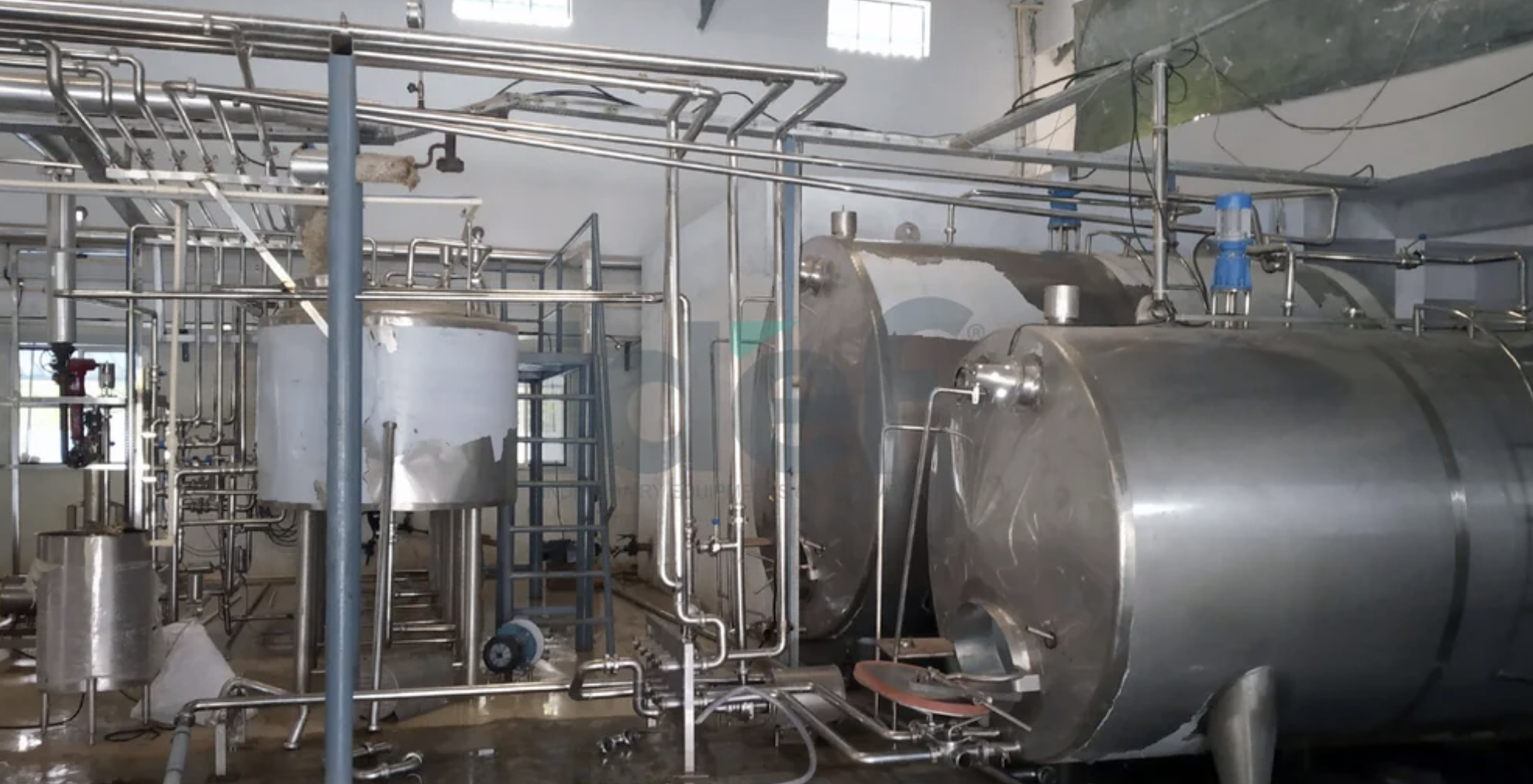
The Pochheena Milk Chilling Centre in Jaisalmer district of Rajasthan illustrates this challenge clearly. Located near the Indo-Pakistan border, the centre serves more than 120 households whose livelihoods depend significantly on milk sales. It collects around 1,500 to 2,000 litres of milk every day, chills it to preserve quality, and facilitates its transportation to Saras Dairy in Jaisalmer. In a region marked by arid conditions, dispersed settlements, and unreliable power supply, the chilling centre functions as critical livelihood infrastructure. However, its existing 5 kW grid connection was insufficient to meet operational needs. To run the 2,000-litre stainless steel bulk cooler, the unit depended on a 20-kW diesel generator for nearly four hours daily, consuming about 15 litres of diesel each day. This translated into a daily cost of around ₹1,600, or approximately ₹5.84 lakh annually which proved to be a substantial burden for a village-level enterprise.
To address this, The Energy and Resources Institute (TERI) under the LaBL 2.0 (Lighting a Billion Lives©) initiative supported the solarisation of the Pochheena Milk Chilling Centre through the installation of a 10-kW hybrid solar PV system with battery storage. Designed to provide reliable electricity for 4–5 hours daily, the system enables the dairy to operate its cooling infrastructure with significantly reduced dependence on diesel. The installation included solar PV modules, a hybrid inverter, and a 38.4 kWh battery bank. The outcome is both economic and environmental. Over its lifecycle, the intervention is expected to generate estimated savings of about ₹1.46 crore, including diesel cost savings, and avoid around 391 tonnes of CO₂ emissions over 25 years. Just as importantly, reliable chilling can reduce milk wastage, preserve quality, and enhance the income security of dairy-producing households. The shift from diesel to solar is therefore not merely a technological upgrade; it changes the economics of rural production.
The Green Dairy model can be the future because dairy is one of India’s most important rural livelihood sectors. India is the world’s largest milk producer, accounting for nearly a quarter of global milk production. National milk production rose from 146.30 million tonnes in 2014–15 to 239.30 million tonnes in 2023–24, reflecting the sector’s growing economic importance. Dairy contributes about 5 percent to the national economy and directly supports more than 8 crore households, many of them small and marginal farmers for whom milk provides a regular source of income. Women are central to this ecosystem. They constitute nearly 70 percent of the dairy workforce and are deeply involved in animal care, milking, collection, and cooperative management. With more than 48,000 women-led dairy cooperative societies across the country, greening the dairy value chain is also an opportunity to strengthen women’s economic participation while advancing climate-resilient rural development.
The environmental gains are clear: by replacing diesel-based cooling with a solar-powered system, the dairy is expected to avoid nearly 391 tonnes of CO₂ emissions over 25 years, while also reducing local air and noise pollution. But its deeper value lies in linking climate action with livelihood security. Reliable solar power can lower operating costs, reduce milk wastage, preserve quality, and improve the financial stability of dairy-producing households. For women, who form the backbone of India’s dairy sector through their work in livestock care, milk production, and collection, such interventions can strengthen both income and recognition.
This is also where TERI’s LaBL 2.0 approach becomes relevant. Moving beyond household lighting, LaBL 2.0 focuses on productive-use energy that can power rural livelihoods and enterprises. The Pochheena model reflects this shift: clean energy is used not as a standalone technology, but as an enabler of income generation, enterprise resilience, and climate mitigation. Scaling such models will require convergence across dairy infrastructure, decentralised renewable energy, women-led institutions, and rural finance. Solar-powered chilling units, SHG or cooperative-based ownership, women-led energy enterprises, and scheme-linked financing can together create a replicable green dairy framework for different geographies.
Pochheena should therefore be viewed not merely as a successful local intervention, but as an example of climate action that works for rural India. The future of climate policy will depend on whether it can deliver tangible benefits for communities on the ground. Climate action succeeds when it lowers costs, creates income, reduces emissions, and strengthens resilience. Green dairies show that this is possible especially when clean energy is placed in the hands of rural producers and women-led institutions.

Authored By: Ms Chandralim Phukan, Research Associate, Social Transformation & CSR, TERI & Mr Prashanta Swain, Fellow, Social Transformation & CSR, TERI