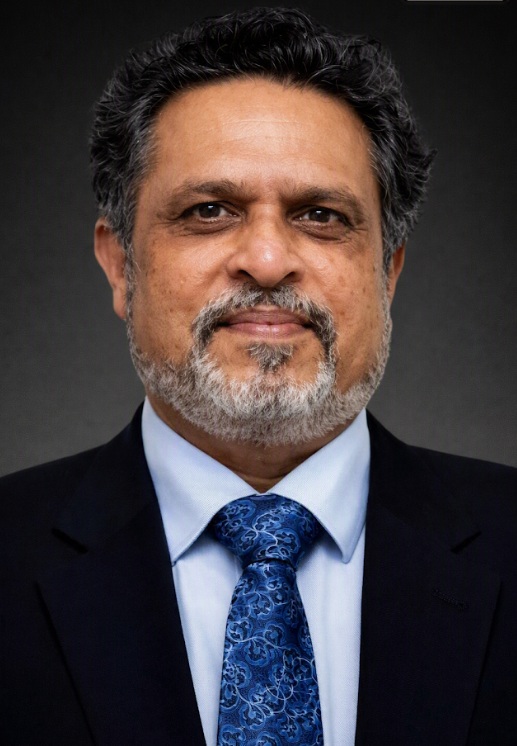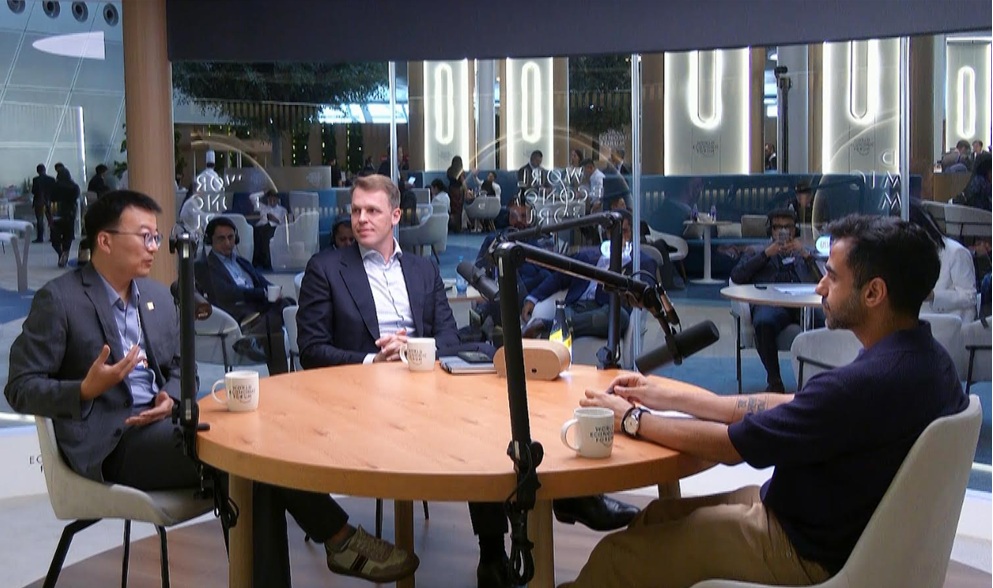

 Dimitrov Krishnan, Managing Director of Volvo CE India, in an Enersider exclusive, shares insights on the company’s sustainable growth roadmap, its alignment with the Viksit Bharat 2047 vision, and how innovation, local manufacturing, and skill development are driving its long-term strategy in India.
Q. How is Volvo CE poised to contribute to the Government of India’s Viksit Bharat 2047 plan?
At Volvo CE India, we see the Viksit Bharat 2047 vision as a powerful call to action and we are proud to be contributing meaningfully toward it. India’s development journey now rests on long-term, integrated national planning, and we believe this demands a clear vision and readiness of infrastructure at least a decade in advance. We are facilitating this shift through local manufacturing, product innovation, and skill development.
We pioneered the entry of electric construction equipment into India in 2023 and continue to advance cleaner technologies like battery-electric and grid-connected machines. At the same time, we are expanding our India-centric portfolio with locally developed solutions like the EC210, which is engineered for fuel efficiency, low emissions, and affordability. Parallelly, we are investing in large-scale workforce reskilling through certified training programs to build a future-ready infrastructure sector. Through these efforts, we are not just building machines: we are helping build the foundation of a developed nation.
Q. The company mentions that it is in the business of providing construction solutions and delivering premium products and services in a sustainable manner. Can you elaborate on the sustainability aspect of your business?
Sustainability is at the core of everything we do at Volvo CE. It drives how we design, manufacture, and deliver our solutions. In 2023, we became the first to introduce electric construction equipment in India, and we continue to expand our clean technology portfolio with battery-electric and grid-connected machines, while improving fuel efficiency and reducing emissions across our range.
Our commitment also extends to our operations. Our Bengaluru plant is powered by solar energy, and we’ve achieved a 30% reduction in energy consumption over the past five years. We’ve also remanufactured over 10,000 parts, supporting a circular economy and reducing waste.
Beyond machines, we focus on upskilling the workforce through certified training programs, ensuring sustainability is embraced across the value chain. For us, it’s about creating long-term value for our customers, communities, and the planet.
Q. Volvo CE has said that it intends to double its market share. Can you take us through the journey of achieving this milestone?
Doubling market share is an ambitious but attainable goal considering the trend in infrastructure development and our continued investment. Our three-pillar strategy of growing localized product offerings, enhancing customer connections, and innovation in sustainability has been enabled by the introduction of the EC210 Hydraulic excavator. This has enabled us to establish a firm foothold in the competitive mid-range segment. The performance of the equipment coupled with its fuel efficiency and localized design has resulted in an appealing option for Indian contractors.
We are also committed to expanding our network, enlisting new dealerships, increasing service coverage, and enhancing after-sales support in order to reach customers in a more efficient manner. Our Equipment-as-a-Service proposition is reducing the cost and risk of adopting electric and hybrid equipment. These actions, coupled with our high-productivity equipment expertise and solid sustainability credentials, give us the confidence that we’re in a position to substantially expand our share in a growing sector.
Q. In terms of sustainable best practices, how does the company deploy them in the construction equipment sector?
At Volvo CE, sustainable best practices are embedded across the entire value chain, from design and manufacturing to operations and after-sales. In the construction equipment sector, this means advancing both environmental and operational sustainability. We lead with innovation through cleaner technologies like battery-electric and grid-connected machines, while products like the India-developed EC210 are built for low fuel consumption, reduced emissions, and cost-effective performance. Advanced engines and smart systems across our range help further minimize environmental impact.
Our Bengaluru plant is powered by solar energy and follows eco-friendly practices including waste segregation, water conservation, and process efficiency. We also enable a circular economy by remanufacturing components, reducing waste and extending part life.
Through responsible sourcing, ethical supply chain practices, and operator training programs focused on fuel efficiency, we ensure sustainability is part of every step. For us, it’s not an add-on—it’s how we build, operate, and innovate.