

By Dr. Mayurika Goel (Fellow), Sustainable Agriculture Division and Mehak Kaur (PhD Scholar), TERI
The world has once again come face-to-face with a food crisis, but this time in the form of agro-climatic vulnerability. Crops, food security and livelihoods are being threatened by pests that are expanding their territories due to shifts in the climatic conditions. Once praised as miracles of modern agriculture, chemical pesticides have turned out to be double-edged swords. Attack on both harmful and beneficial insects, development of pesticide resistance, toxicity to animals and humans, bioaccumulation and environmental degradation are among many drawbacks of their use. However, when the modern solutions fail, ancient wisdom speaks up, and in this case, it is the age-old practice of utilising essential oils as natural insect repellents. Well-known as potent and eco-friendly insecticides, they are making a reformed comeback in the form of bio-innovations for sustainable agriculture practices. Having compatibility with integrated pest management (IPM), selective action against disastrous pests and biodegradable nature, they have become an ideal weapon against climate fragile agricultural systems.
The Climate-Pest Nexus
Climate change is impacting an array of systems in alarming ways and pest dynamics are no exception. Increased temperatures across high altitudes have broadened pest breeding cycles and their geographical range. The Food and Agricultural Organisation (FAO) has estimated an annual damage of 10% of world’s food in the storage conditions by pests. The rice weevil (Sitophilus oryzae), has become a global entity in stored grains. Once known as highly effective solutions, chemical pesticides are losing efficacy as pests have evolved resistance to them. Synthetic-pesticide resistance has been reported prevalent in across 450 insect species due to their indiscriminate use, causing annual economic loss of billions of dollars. On the other hand, these chemicals are harming non-target species, contaminating soil and water, depleting ozone layer and posing risks to human health (Figure 1). A total of 49 chemical pesticides including a well-known organochlorine DDT (dichlorodiphenyltrichloroethane) have been completely banned in India due to their acute toxicity in humans and the environment. Thus, the urgent need for sustainable pest control is not just ecological, but existential.
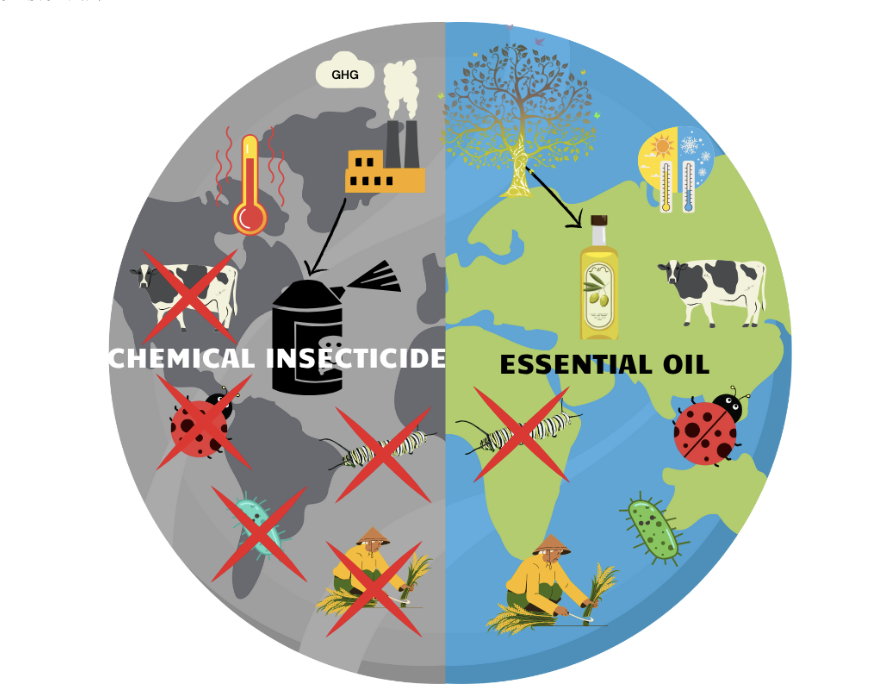
Figure 1: Impact of chemical insecticides on the environment and role of essential oil-based insecticides in climate resilient agriculture
Essential Oils as Natural Insecticides
We all are familiar with the essential oil-based mosquito, bugs and ticks’ repellents. Essential oils (EOs) are volatile, aromatic secondary metabolites produced by plants, often as a natural defence mechanism against herbivores and pathogens. Compounds such as citronellal (from citronella oil), eugenol (from clove, nutmeg, cinnamon or basil oil), thymol (from thyme oil), and azadirachtin (from neem oil) exhibit a range of insecticidal actions, acting as repellents, ovicides (which kill eggs), fumigants (release fumes for killing), and even interfering with the insect nervous system. For example, citronella oil disrupts mosquito host-seeking behaviour, while clove and lemongrass oils have shown efficacy against stored grain pests such as the rice weevil. The appeal of EOs lies not just in their potency but in their safety. Many EOs are classified as “Generally Recognised as Safe” (GRAS) by the U.S. FDA. Their volatility ensures they do not persist in the environment, thereby reducing the risk of bioaccumulation. Moreover, their complex chemical compositions make it difficult for pests to develop resistance, a major limitation of synthetic insecticides.
Innovations in Essential Oil Formulation and Application
EOs, like all natural products, have a number of drawbacks, such as photodegradation, volatility, instability, and quick evaporation. Essential oils are nature’s own cocktails, containing both insecticidal and non-insecticidal chemical moieties. To boost their pest-control power, it has now been made possible to isolate the most potent ingredients and turn them into stable, more effective formulations. Novel slow-release technologies, with captivating names nanovalcanoes or nanomazes, can allow these natural actives to be precisely released as and when required. Special matrices made from silica, carbon or graphene oxide can even trap the formulation, leading to slow evaporation and extending its effectiveness in the field. Encapsulation techniques have been effective in preventing EO from rapid volatilisation and degradation in acidic or alkaline conditions. Microemulsion and nanoemulsions have been used to overcome issues associated with limited adhesion to plant surfaces and the requirement for frequent application while enhancing the stability. Precision agriculture’s development of smart sprayers and automated monitoring systems has made it possible to apply EO with low waste and highest efficiency. Consortium compositions with several oils, with or without integrating other biocontrol agents can provide broad-spectrum protection. These developments have turned EOs from conventional treatments into cutting-edge, expandable pest control options.
Climate Resilience through EO-Based Insecticides
EO-based insecticides show a high degree of compatibility with local biodiversity and traditional knowledge systems. Their production benefits marginalised populations and small-scale farmers, while supporting circular economies. They protect pollinators, natural predators, and other beneficial creatures from harm by selectively targeting pests, which helps to maintain vital ecosystem functions (Figure 2). They further support climate resiliency measures by lowering dependency on petroleum-based agrochemicals, promoting sustainable agriculture. The added benefit of being resilient and adaptable makes EO-producing plants, such as neem, lemongrass, thyme, eucalyptus, and frankincense, ideal for growing in climate-stressed areas.
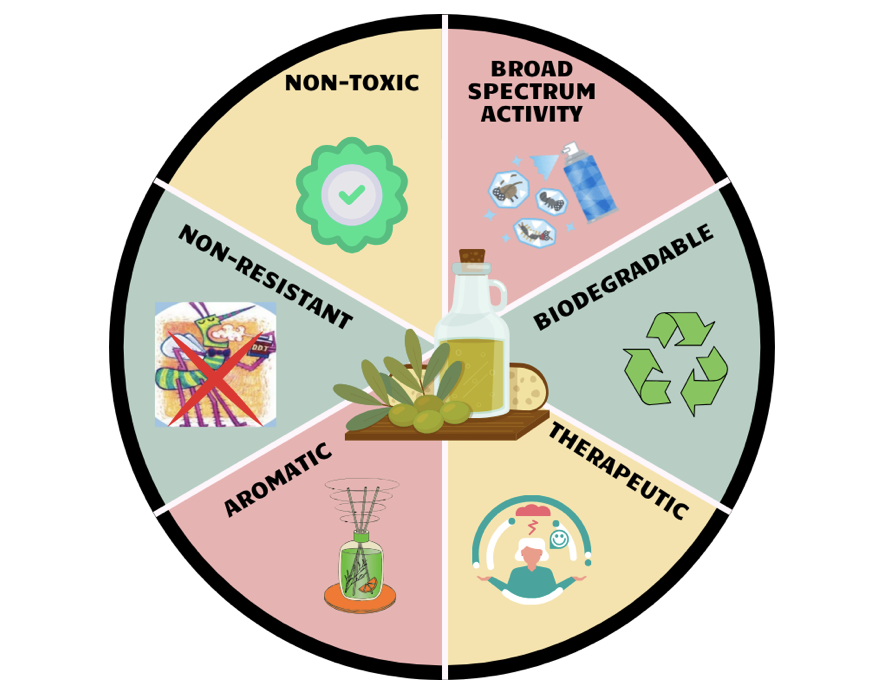
Figure 2: Beneficial impacts of essential oil-based insecticides
EO-based Insecticides in India
Even though EO-based insecticides have shown resilience, effectiveness and sustainability throughout the ages, several obstacles stand in the way of their commercialisation. Variables such as high extraction costs, fluctuating composition, and a lack of streamlined regulatory frameworks prevent local populations from adopting them. To get around these, locals can be trained for decentralised distillation units in remote regions through skill development programs. Innovations in EO stabilisation, packaging, and delivery technologies can be further accelerated by public-private partnerships and brought towards commercialisation. The Ministry of Agriculture and Farmers Welfare has established the Central Insecticides Board and Registration Committee (CIB&RC) as the regulating body to permit and standardise the regulatory framework of all pesticides, including biopesticides. The EO-based biopesticides come under the botanicals category. The Insecticides Act, 1986 further underlines the requirements for registering novel or already registered botanicals through a series of efficacy, safety and toxicity datasets. The National Innovations in Climate Resilient Agriculture (NICRA), a flagship project launched by the Government of India in 2011, developed climate resilient technologies to address climate vulnerable areas in the country. One of such technologies is mobile apps targeted towards pest forewarning, provided mitigation strategies for pest management and suggested utilising EO-based insecticides along with IPM principles. EO-based insecticides are more than just a nostalgic throwback, they are advances that are incorporating societies, environment and technology in our climate-challenged world. As we move toward resilient agriculture, implementing such natural solutions will reduce our ecological impact while maintaining productivity. Investing in natural solutions, such as essential oils, is not only environmentally critical but also presents a financial and cultural opportunity for a sustainable future.
Authored By:


Dr. Mayurika Goel & and Mehak Kaur