
Enersider Desk | New Delhi
India’s steel sector is expanding rapidly, driven by infrastructure growth, urbanisation and industrial demand. Yet steelmaking binds the present to the future, and furnaces commissioned today lock in fuel choices for decades. India’s expansion remains largely anchored in the blast furnace–basic oxygen furnace route, the most coal-intensive steelmaking pathway, leaving the sector structurally dependent on metallurgical coal imports. Nearly ninety percent of this fuel is sourced from overseas, placing long-term energy security firmly within global supply chains rather than domestic reserves.
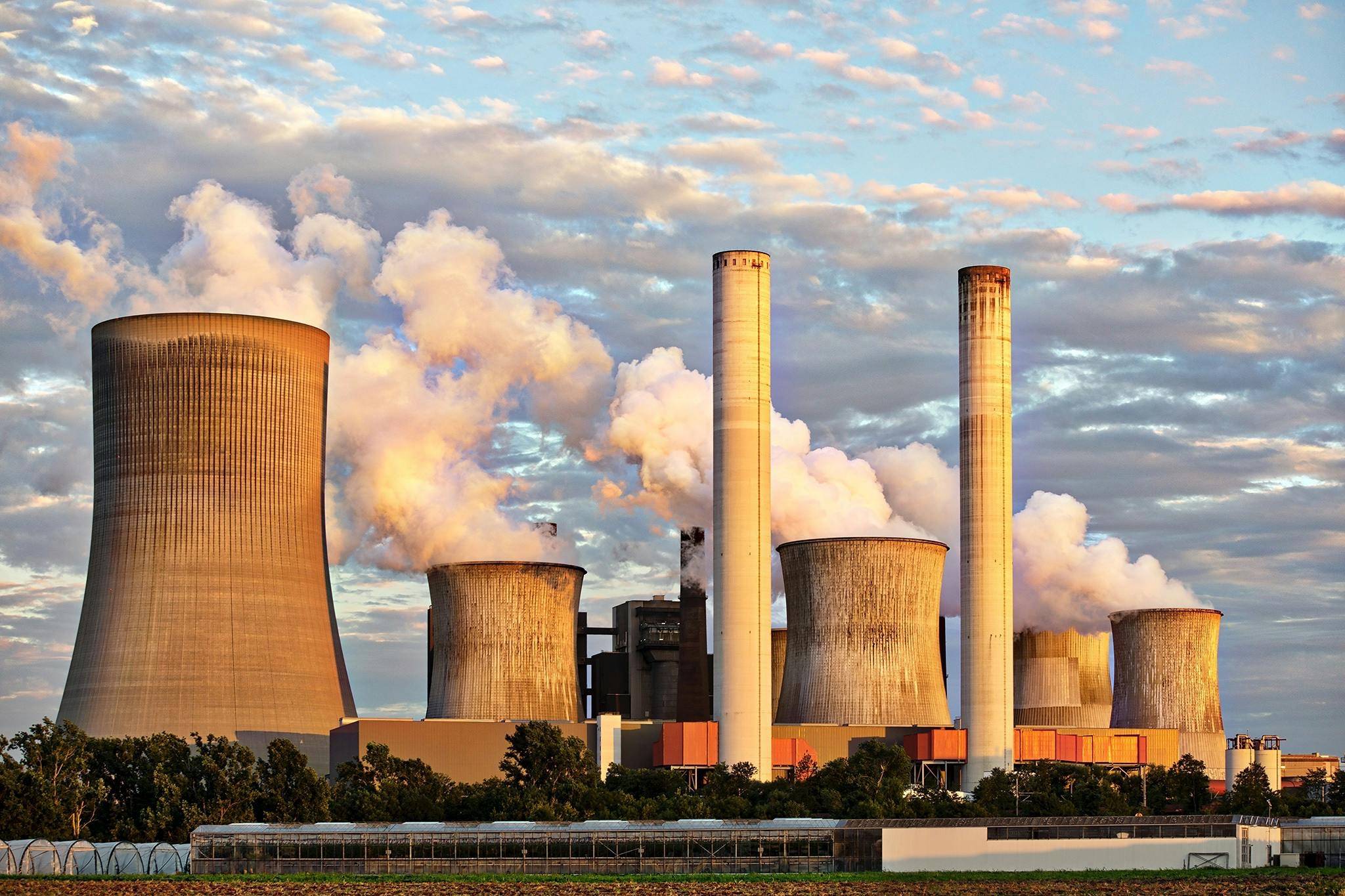
As of early 2025, India operates around 110 million tonnes per annum of blast furnace capacity, with substantial additional capacity under construction and announced. If these plans materialise, blast furnace capacity would more than double, significantly increasing metallurgical coal demand. Each new furnace deepens reliance on imported coal, linking steel output to distant mines, long shipping routes and external price movements beyond domestic control.
Australia has long been the backbone of this supply chain, accounting for nearly half of global seaborne metallurgical coal exports. However, confidence in the durability of this supply is weakening. Australian government forecasts have repeatedly projected rising exports, only to revise them downward in subsequent years. Actual export volumes have declined over time, revealing a persistent gap between expectation and outcome. Independent assessments and international agencies now anticipate further declines through the latter half of the decade, challenging assumptions of long-term abundance.
Numbers may promise continuity, but extraction tells a more constrained story. Despite periods of elevated prices, Australia has seen limited development of new metallurgical coal mines. Investment has largely flowed into the acquisition of existing assets rather than greenfield projects. The pipeline of new capacity has thinned, slowed by regulatory hurdles, climate commitments, financing constraints and rising social scrutiny. For producers, consolidation has increasingly appeared less risky than expansion.
Environmental pressures are adding to these constraints. Methane emissions from metallurgical coal mining have emerged as a critical and under-recognised risk. Australian metallurgical coal mines are among the most methane-intensive globally, with growing evidence that emissions may be under-reported. Methane’s high global warming potential significantly increases the climate footprint of coal-based steelmaking, extending emissions concerns beyond the steel plant itself. As Australia works toward emissions reduction targets and commitments under the Global Methane Pledge, coal mining operations face tighter regulatory baselines and rising compliance costs.
What was once invisible is now measurable, and what is measured increasingly shapes markets. Carbon capture and storage is often cited as a technological safeguard for coal-based steelmaking, yet its limitations are becoming clearer. There is currently no commercial-scale carbon capture facility operating on metallurgical coal-based steel plants anywhere in the world. Existing projects capture only a small share of emissions, do not address methane released during mining and face persistent economic challenges. In India, limited geological storage capacity and long distances between steel plants and suitable formations further restrict feasibility.
As technological optimism weakens, financial caution has taken its place. Banks and insurers are tightening exposure to metallurgical coal, with several major Australian financial institutions ruling out project finance for new coal mines and requiring climate-aligned transition plans for existing operations. Insurance coverage is becoming more selective and expensive, echoing the earlier retreat from thermal coal and signalling rising barriers to sustaining supply.
Legal and regulatory pressures reinforce this shift. Australian courts have increasingly scrutinised coal mine approvals, particularly where climate impacts and downstream emissions are inadequately assessed. Several proposed expansions and new projects have been delayed or rejected. As Australia approaches its 2050 net-zero target, regulatory uncertainty surrounding coal mining is expected to intensify.
Coal, once treated as a symbol of reliability, is increasingly defined by volatility. For Indian steelmakers, these pressures translate into heightened price and supply risks. Any sustained shortfall in Australian production could trigger structurally higher prices. India has responded by diversifying imports and adjusting furnace practices, though full substitution remains difficult. The challenge is structural. Steel shapes economies, but the risks embedded in today’s expansion will define the sector’s resilience tomorrow.