By Enersider Desk | New Delhi
India faces rising energy security risks due to potential supply strains in Australian metallurgical (met) coal, according to a report by the Institute for Energy Economics and Financial Analysis (IEEFA).
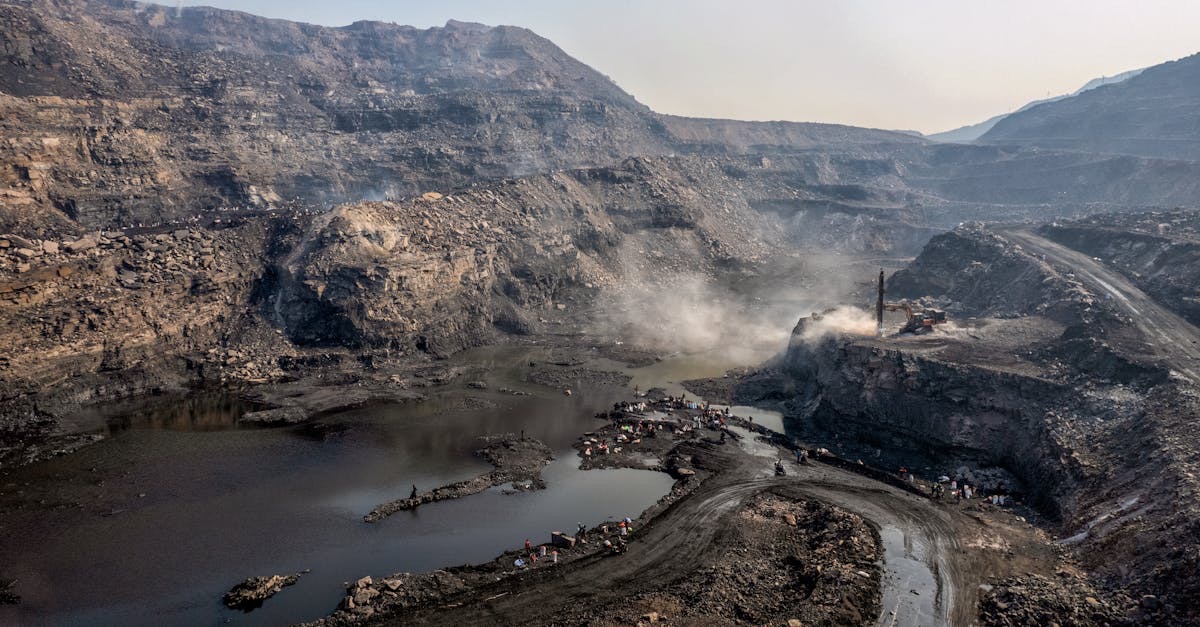
The country currently relies on imports, mainly from Australia for about 90% of its met coal requirements, a key input for blast furnace-based steelmaking.
India is targeting a crude steel production capacity of 300 million tonnes per annum by 2030, with much of the expansion centred on blast furnace–basic oxygen furnace (BF-BOF) technology.
Since domestic reserves are inadequate for high-grade met coal due to high ash and sulphur content, dependence on imports has remained high.
However, concerns are mounting over the reliability of the future supply from Australia, the world’s largest exporter of met coal.
“Key risks include growing concern about the methane emissions associated with Australian met coal mining and legal challenges. Coal mine capacity expansions are now being successfully challenged in Australian courts on climate and emissions grounds,” said Lead Analyst, Global Steel at IEEFA and co-author of the report, Simon Nicholas.
“India has a 2070 net-zero emissions target, but is reliant on met coal imports from a country that has a 2050 target and will need to take emissions reduction actions sooner.
During COP30 in November 2025, Australia was among the dozens of countries that signed the Belém Declaration which calls for a quick and just transition away from oil, gas and coal,” added Nicholas.
According to the report, a continued rise in India’s blast furnace capacity could intensify demand for met coal, increasing the risk of structural price hikes if global supply falls short.
With restrictions growing around new greenfield projects in Australia, driven partly by banks withdrawing finance, IEEFA suggests that India accelerate its shift to alternative technologies.
Additionally, Energy Finance Analyst, Steel at IEEFA, and co-author of the report, Saumya Nautiyal noted, “The combination of scrap-based electric arc furnaces (EAF) expansion, green hydrogen-based steelmaking, and policy incentives for low-carbon technologies could gradually reduce India’s reliance on imported met coal.”
It is suggested that adopting alternative steelmaking routes and boosting domestic scrap availability could form a crucial part of India’s next phase of industrial and energy transition.
Also Read: Vikram Solar onboards Arun Mittal to lead energy storage arm