
By Climate Trends | New Delhi | 9 July 2026
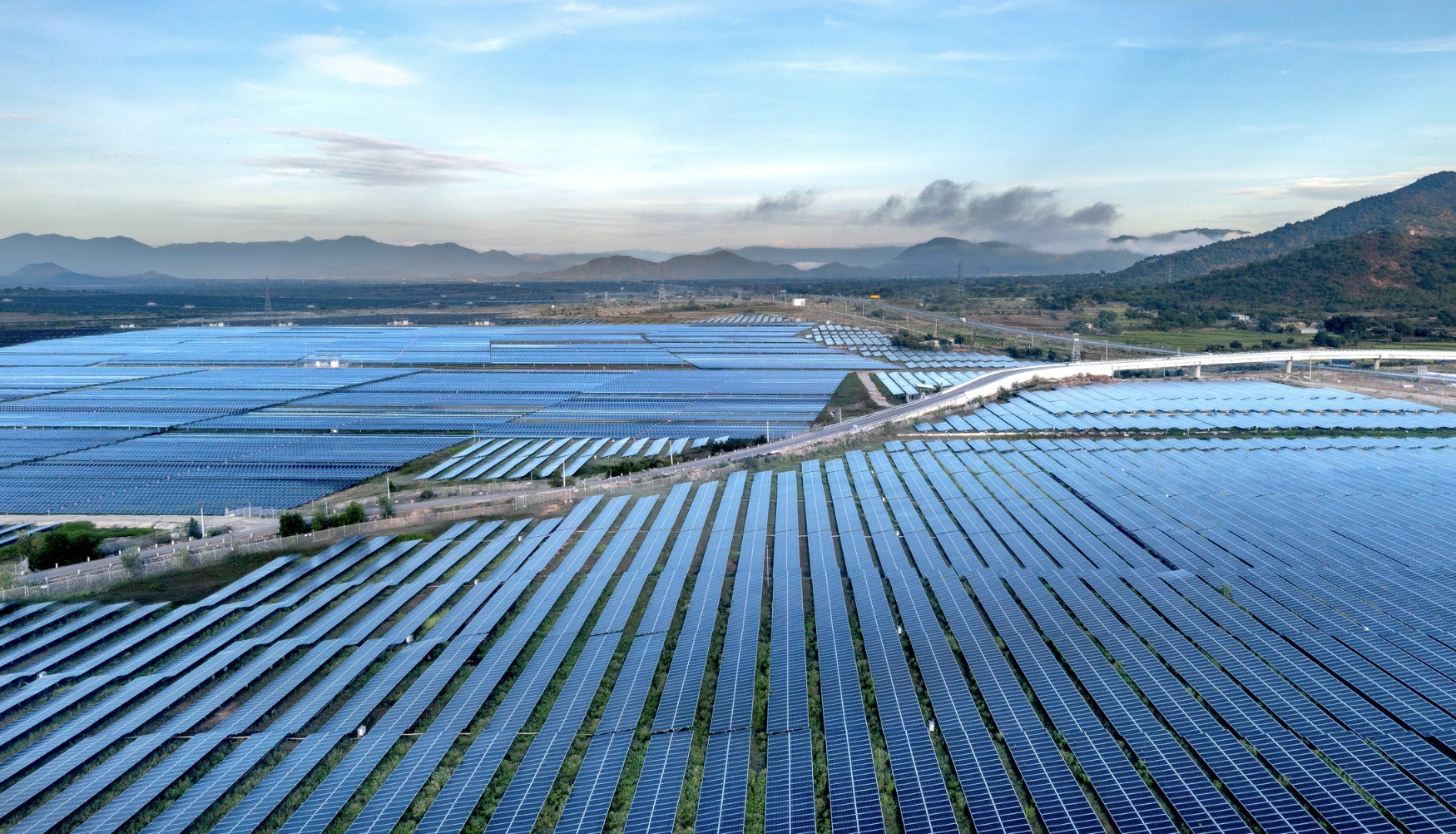
a milestone reached for a second consecutive year and for the first time this year. Experts believe this is an important marker that demonstrates the Indian grid’s technical ability to handle a larger share of renewable energy as well as serves a caution to coal exporting countries that their second largest export market is now in a position to close its doors on thermal coal imports.
What happened:
On 6th July, at 11:46am India time, clean energy powered more than half of India’s electricity demand for the first time this year. Although this was for a short period of time, about 15 minutes, it’s still a milestone worth celebrating. For 15 minutes, 700 million people in India consumed 100% clean electricity. In other words, for 15 minutes, more than half of the total electricity consumed by 1.4 billion people came from clean energy sources.
Background explanation, media quotes, and contact information added below. Do get in touch for more information or if you have any questions.
Why is this important:
India, the 6th largest economy and the most populous country in the world, is a developing country with a majority of its infrastructure yet to be built. This means India will continue to see massive growth in its power demand. Growth at this scale could make or break global efforts to mitigate climate change. This is why it’s important for India to ensure its growth is powered by clean energy.
Reaching the 50% clean energy generation milestone provides an affirmation to the world that India plans on meeting the challenges of a developing country through clean energy and aims to avoid the path taken by developed countries. It also highlights the adaptability of India’s national and state grids to be able to absorb a higher percentage of variable renewable energy with very little storage capacity; it shows that it’s technically possible for Indian grids to increase dependence on solar and wind and reduce dependence on imported fossils.
Compared to several EU countries: The state of Karnataka, home to 69 million people, generates 60% of its annual power needs from clean energy sources. On high solar and wind days, for a few hours, Karnataka supplies 80% of power demands from clean energy sources. This is comparable to countries like the United Kingdom with a population of 69 million people and 70:30 split between clean energy and fossils or twice the size of Poland that depends on fossils for 68% of its electricity. Or Italy with 58 million people and 51% of its electricity from fossil fuels.
However, India also has states that are highly dependent on coal. States such as West Bengal, Uttar Pradesh, and Bihar have hardly made any progress on renewable energy. Prime Minister Narendra Modi, needs to ensure these states now start expanding their renewable energy footprint.
Quotes and reactions –
Bruce Douglas is the CEO of the Global Renewables Alliance (GRA)
“India powering more than half of its electricity demand with clean energy, even for a brief period, is a powerful demonstration of what’s now technically possible. Beyond cutting emissions, renewable energy strengthens energy security by reducing dependence on imported fossil fuels and making countries more resilient to global price shocks and supply disruptions. This milestone isn’t the finish line, but the conversation is now shifting from whether a clean grid is achievable to how quickly we can deliver it every hour of every day through continued investment in storage, grid flexibility, and renewable capacity.”
Disha Agarwal, Fellow, Council on Energy, Environment and Water (CEEW)
“Clean energy has met over 45% of India’s total electricity demand for more than 50 days since May this year. Today marks a significant milestone. For the second consecutive year, clean energy sources—including renewables, hydropower and nuclear—met 50.02% of the country’s total demand of 221.5 GW at 11:46 am. This already signals a lasting change in the supply mix. CEEW research shows that the next frontier will be to scale flexible energy storage, along with large-scale and distributed renewable energy systems, to meet increasing shares of the evening demand with low-cost renewables.”
Also Read: Union Environment Minister Calls for Green Growth, Circular Economy in India’s EV Push