

By ANI | New Delhi
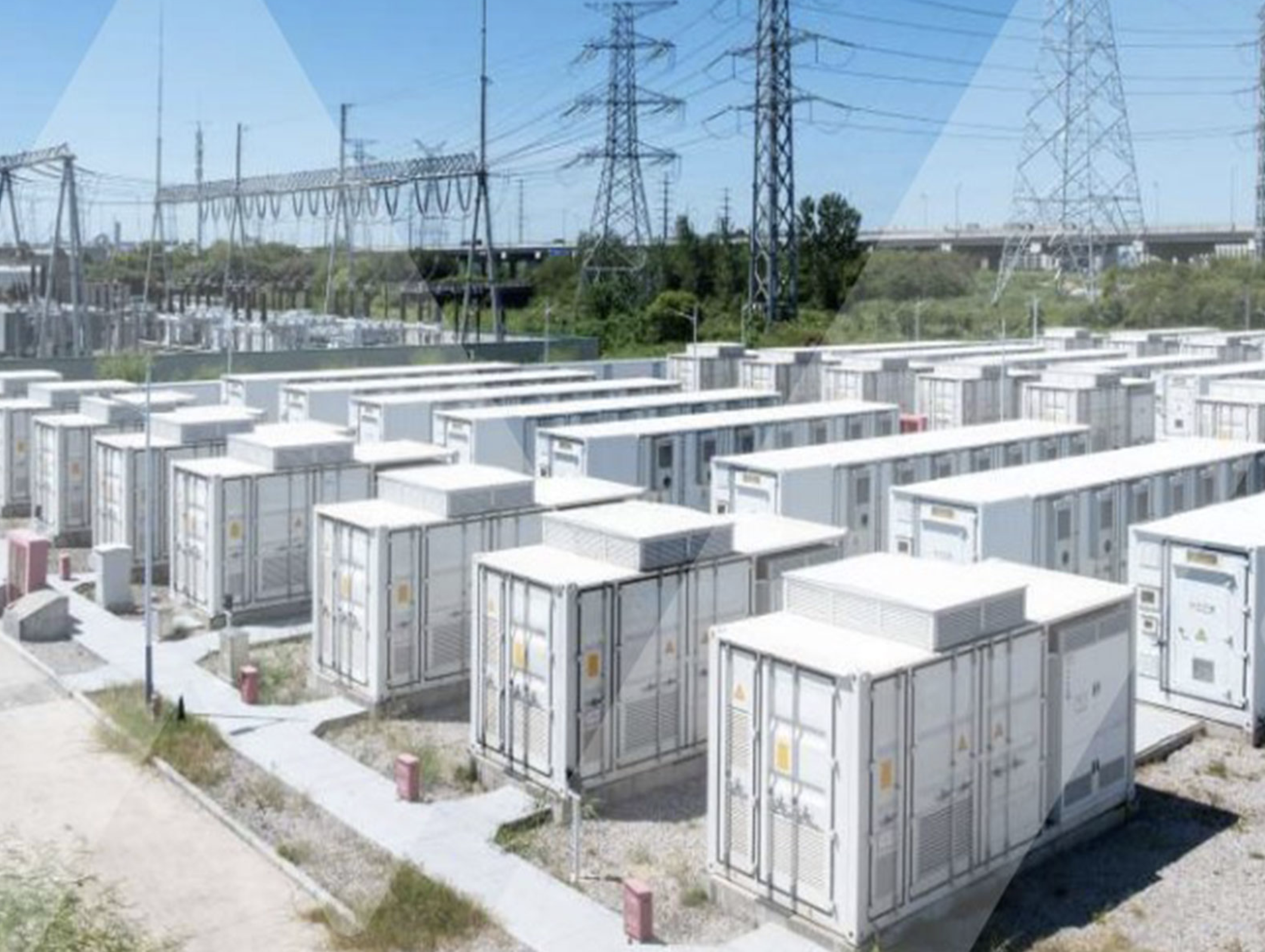
India will require more than 60 GW of energy storage capacity by 2030, with nearly 42 GW expected to come from battery energy storage systems (BESS), as electricity demand and renewable energy integration continue to rise, according to a joint report by All India Discoms Association and Rocky Mountain Institute.
The report stated that India’s growing electricity demand and rapid addition of variable renewable energy (VRE) sources are increasing the need for storage solutions to maintain a stable, resilient and cost-effective electricity grid.
It stated “By 2030, more than 60 GW of storage will be needed, of which an estimated 42 GW is likely to be provided by battery storage”.
It noted that India has set a target of achieving 50 per cent of its installed electricity generation capacity from non-fossil fuel sources by 2030 as part of its climate goals.
According to the report, as electricity demand rises and peak demand exceeds projections, energy storage systems will become increasingly important for grid stability and reliability.
Battery Energy Storage Systems, or BESS, were highlighted as a key solution due to declining global costs and advancements in storage technology.
BESS, is a technology that captures electricity from renewable (solar, wind) or non-renewable sources and stores it in rechargeable batteries so it can be dispatched later when demand peaks or during grid outages.
The report said BESS assets can provide multiple benefits, including grid flexibility, reliability, ancillary services and support for transmission and distribution networks.
In dense urban areas such as Delhi, where electricity distribution infrastructure is facing congestion risks and rising peak demand, local BESS assets can help defer expensive investments in new distribution infrastructure while improving system efficiency.
The report stated that while the Government of India has already taken several policy and regulatory steps to promote energy storage, further action is needed to operationalise the regulatory framework and accelerate deployment.
It added that traditional regulatory systems are not fully equipped to evaluate the flexibility and reliability benefits provided by storage technologies.
According to the report, improved regulatory clarity is needed for stakeholders including central and state regulators, power distribution companies (DISCOMs), load dispatch centres, project developers, operators and local institutions such as fire departments.
The report also stressed the importance of creating clear roadmaps to allow BESS projects to provide services beyond electricity price arbitrage, including resource adequacy, ancillary services and deferred capital expenditure benefits.
It further noted that growing electricity demand and increasing renewable energy integration are raising the risk of grid instability, creating stronger demand for ancillary services that battery storage systems can provide quickly and efficiently. (ANI)