

By ANI | New Delhi | 8 July 2026
India’s ethanol blending programme is entering a more resilient phase as a diversified mix of grainand sugar-based feedstocks strengthens supply stability and positions the industry to support higher ethanol blending in the coming years, according to the All India Distillers’ Association (AIDA).
The AIDA release said the ongoing Ethanol Supply Year (ESY) 2025-26 reflects the growing maturity of India’s biofuel ecosystem, with multiple feedstocks ensuring more stable ethanol supplies by reducing dependence on any single agricultural crop and adopting a balanced mix of raw materials.
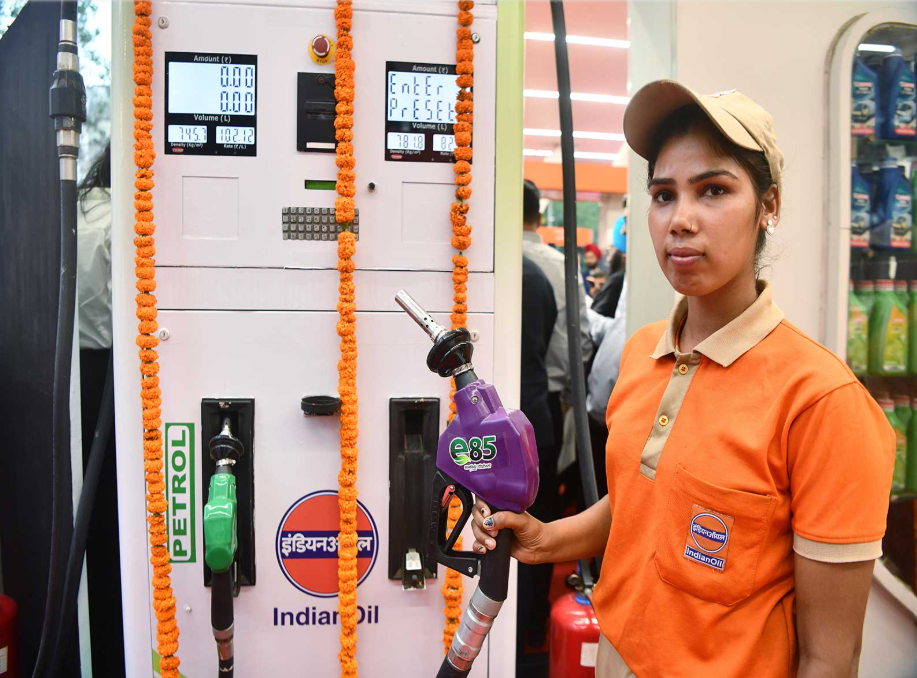
Image Credit: ANI
“The latest ethanol supply data demonstrates that India’s biofuel programme has evolved into a robust and resilient ecosystem driven by diversified feedstocks,” AIDA President Vijendra Singh said.
He added that while maize continues to be the largest contributor, the increasing participation of surplus food grains and sugarcane-based feedstocks has strengthened supply chains and enhanced India’s energy security.
“As the country moves beyond the E20 milestone, policy support for higher ethanol blends, Flex-Fuel Vehicles (FFVs), ethanol-diesel blending and next-generation biofuels will be essential to fully utilise the significant production capacity created by the industry,” Singh said.
According to AIDA, cumulative ethanol supplies reached 717 crore litres by June 2026 against contracted volumes of 1,048 crore litres, achieving 68 per cent of the targeted supply during the ongoing ethanol supply year. Grain-based ethanol accounted for nearly 67 per cent of total supplies at 480 crore litres, while sugarcane-based feedstocks contributed 238 crore litres. Maize remained the single largest feedstock with 258 crore litres, followed by surplus Food Corporation of India (FCI) grains at 177 crore litres.
AIDA said the balanced contribution from multiple feedstocks has improved year-round ethanol availability, strengthened supply resilience and reduced dependence on any single crop, supporting the country’s clean energy and energy security objectives.
The association said India’s expanding ethanol production capacity and wider participation from grain and sugar sectors are expected to support higher blending targets while creating additional opportunities for farmers and rural supply chains. It added that policy measures promoting higher ethanol blends, flex-fuel mobility and new ethanol applications would be critical to fully utilise the industry’s growing capacity, reduce crude oil imports and support India’s long-term clean energy transition.
Also Read: BPCL signs definitive agreements to fully acquire Brazil-based oil and gas firm