

By ANI | New Delhi | 19 June 2026
More than half of the world’s nations improved their overall energy transition metrics this year, yet only a narrowing pool of countries managed to advance across all core performance areas simultaneously.
However, according to the World Economic Forum’s Energy Transition Index (ETI) report, India stood out, “recording one of the greatest improvements in readiness, driven by significant gains in infrastructure and human capital, positioning it as a key player in the next phase of the transition.”
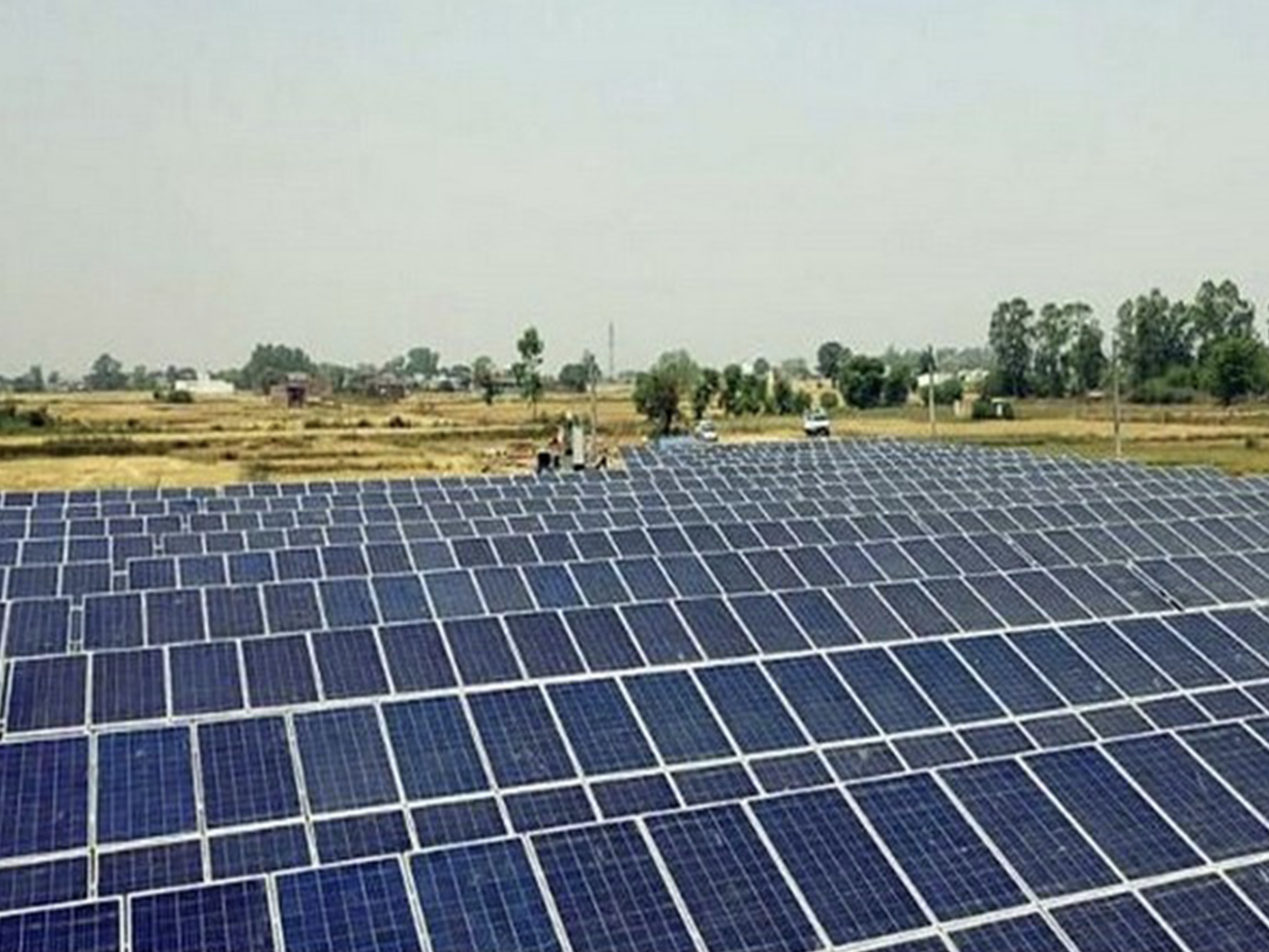
The WEF report mentioned that India advanced two places in ETI through stronger readiness and broad-based system gains, driven by a sharp rise in infrastructure, alongside improvements in equity, sustainability and financial investment.
The report highlighted that 56 per cent of countries improved their ETI scores in
2026. System performance scores increased on average by 0.43 per cent, driven by equity and sustainability gains.
However, only 24 per cent of countries made simultaneous progress across all three system performance dimensions, down from 28 per cent in 2025.
The findings indicated that the broader momentum of the global energy shift faced a slowdown as foundational conditions weakened. The report stated that overall ETI scores in 2026 were broadly flat, moving by just 0.03 per cent, with gains in system performance offset by the first decline in transition readiness in over a decade, signalling that the foundations needed for future progress are weakening.
Geopolitical and economic disruptions directly affected these shifts over the past year. The report noted that disruptions to the Strait of Hormuz have intensified existing vulnerabilities, while geopolitical fragmentation, rising demand and concentrated investment flows are widening the gap between leading and lagging economies.
While capital commitments reached unprecedented levels, they did not translate uniformly into systemic stability. The report mentioned that despite a record total of global energy investment of USD 3.3 trillion, including USD 2.3 trillion in clean energy, overall energy security deteriorated and transition readiness weakened, exposing a growing gap between capital deployment and the conditions needed to sustain it.
A major friction point emerged in how investment capital was distributed globally.
The report highlighted that finance and investment recorded the sharpest fall, dropping by 1.8 per cent.
According to the WEF report, 75 per cent of clean energy investment flows to a handful of markets, while countries expected to drive 80 per cent of future demand growth face financing costs two to three times higher than advanced economies.
Geographically, advanced economies maintained their traditional lead, with the Nordic nations holding top ranks. Emerging markets showed highly mixed results, with India ranking 70th while posting one of the stronger readiness gains among major economies, driven by investment in energy security and affordability.
The 2026 ETI identified three priorities for sustaining and accelerating the next phase of transition: Embed security, affordability and resilience as design principles;
Unblock delivery by accelerating grid expansion and system integration; Restore investability through stable policy and targeted capital flows.
Also Read: Trilateral energy boost as Nepal resumes hydropower supply to Bangladesh via India