

By Enersider Desk | New Delhi | June 18, 2026
A new study by IPE Global has warned that the ongoing West Asia crisis could put nearly 10 to 12 million Indian livelihoods at risk. The study says that a strong green transition could help create around 35 million green jobs by 2047 and support the development of a USD 15 trillion green economy by 2070.
The study titled “Paving a Green Transition: A New Social Contract Amid West Asia Crisis”, identifies 30 implementation-ready policy recommendations. It states that India could unlock a funding cushion of USD 42-53 billion within its existing government schemes without requiring new financial outlays.
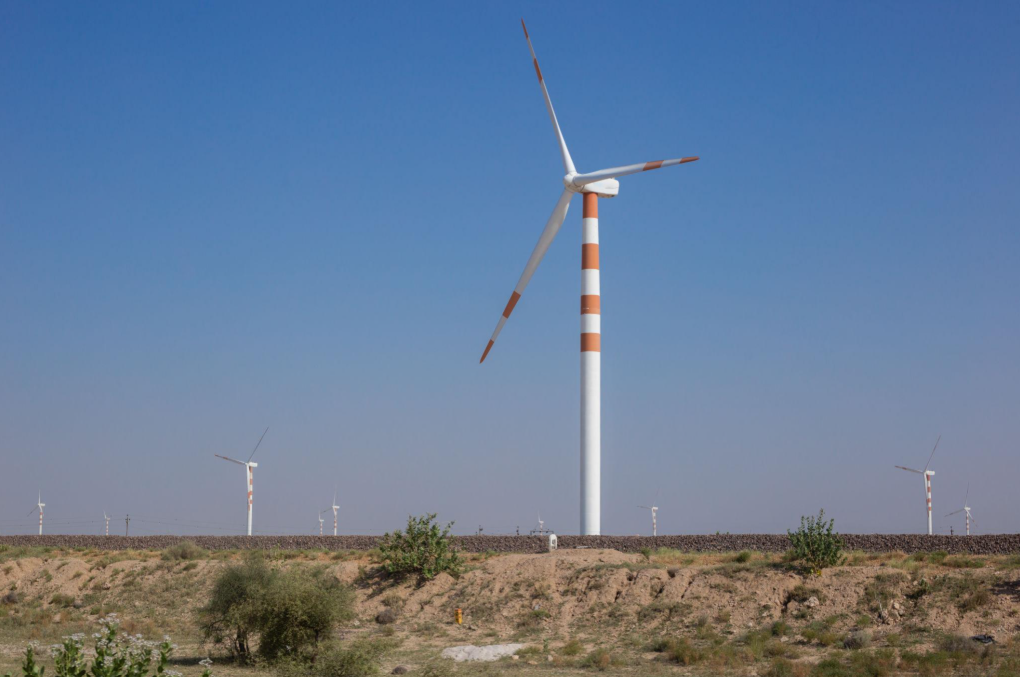
Image Credit: Pexels
According to the report, India already has several schemes including PM-KUSUM, the National Green Hydrogen Mission, Production Linked Incentives (PLI), the Carbon Credit Trading Scheme (CCTS), PM Pranam, RDSS and Agri Stack. These schemes continue to operate separately. The study proposes greater convergence across the agriculture, energy and industry sectors to maximise economic, employment and climate benefits.
Ashwajit Singh, Founder and Managing Director of IPE Global said “the West Asia crisis has highlighted the close links between energy security, food security, livelihoods and climate resilience. India could mobilise USD 42-53 billion from its existing scheme architecture and that this reflects the strength of India’s institutions and policy framework”.
India’s dependence on imported crude oil and the exposure of millions of livelihoods to geopolitical shocks demonstrate existing vulnerabilities. The expanding initiatives such as PM-KUSUM and increasing renewable energy, green hydrogen and industrial decarbonisation could create 35 million green jobs by 2047, according to Abinash Mohanty, Head of Climate Change and Sustainability Practice at IPE Global.
The report highlighted that Kerala, Bihar and Uttar Pradesh face some of the highest risks from job losses linked to the West Asia crisis. However, states such as Rajasthan, Gujarat, Tamil Nadu and Maharashtra have greater potential to absorb green jobs due to renewable energy resources and industrial development.
According to the report, this geographic mismatch highlights the need for targeted skilling, migration policies and green investment strategies to support affected workers while advancing India’s green transition.