

By Enersider Desk | New Delhi
India’s renewable energy (RE) growth is central to achieving its ambitious climate change targets and the 2070 Net Zero Goal, an official report said.
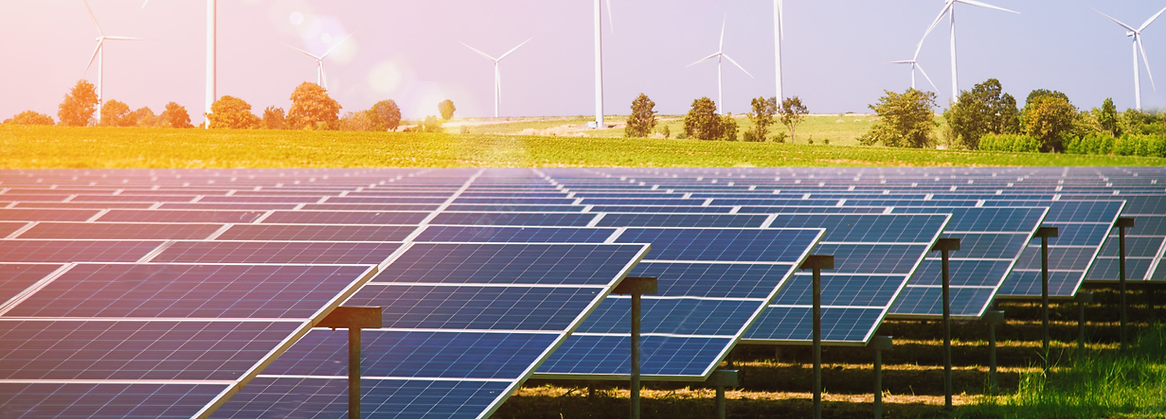
While solar, wind, bio-energy, and hydropower currently dominate the RE landscape, geothermal energy which is rooted in India’s unique geological settings, remains largely untapped.
With applications ranging from electricity generation to direct uses such as district heating, greenhouses, aquaculture, food drying, industrial processes, and geo-tourism, geothermal energy can become a key additional resource.
Ground Source Heat Pumps (GSHPs), working with shallow ground temperatures of 10–25°C, also offer efficient heating and cooling solutions for buildings. Globally, geothermal power generation capacity stood at 15.4 GW at the end of 2024.
The Ministry of New & Renewable Energy (MNRE) has introduced National Policy for Geothermal Energy to establish geothermal energy as a pillar of India’s renewable energy strategy, strengthening energy security and national climate commitments.
The vision is to build a sustainable, secure, and responsible geothermal energy sector.
Key goals include enhancing research capabilities in exploration, drilling techniques, reservoir management, and cost-effective power generation.
Adoption of direct-use technologies and geothermal heating/cooling solutions, including GSHPs, will help decarbonise buildings, agriculture, and industries.
The policy emphasises international collaboration with geothermal development bodies and national research institutes to integrate global best practices in resource assessment and deployment.
Advanced exploration will be pursued through coordination with the oil and gas sector, repurposing abandoned wells, and leveraging deep, multilateral drilling for large-scale generation.
To ensure effective implementation, the framework encourages building a strong public-private ecosystem, capacity building, and knowledge sharing.
Developers may approach State Governments for allocation of geothermal sites, with exploration permits and land leases granted at the state level.
A streamlined single-window system, supported by designated state nodal agencies, will provide clearances, permissions, and monitoring to accelerate project deployment.