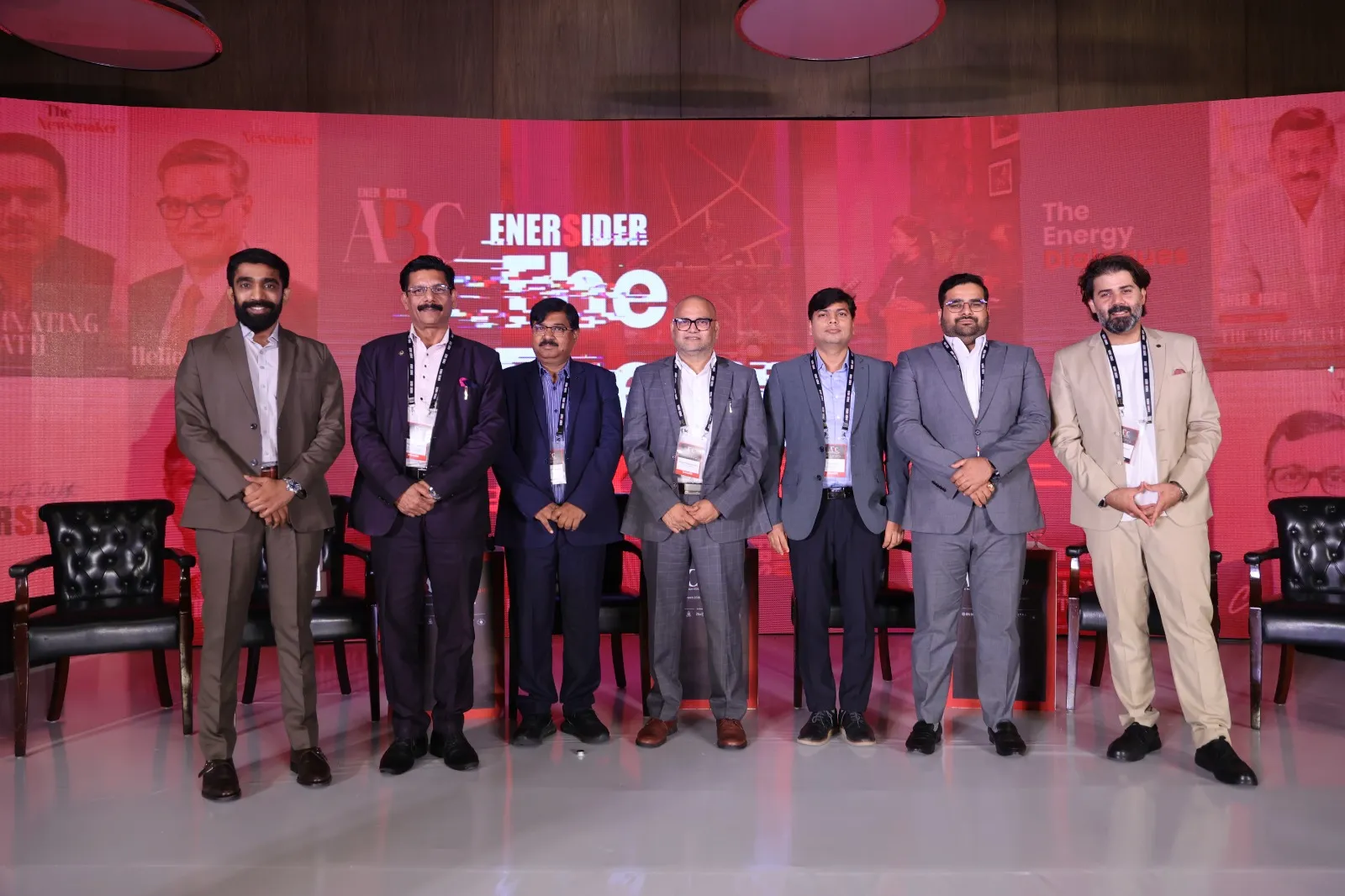
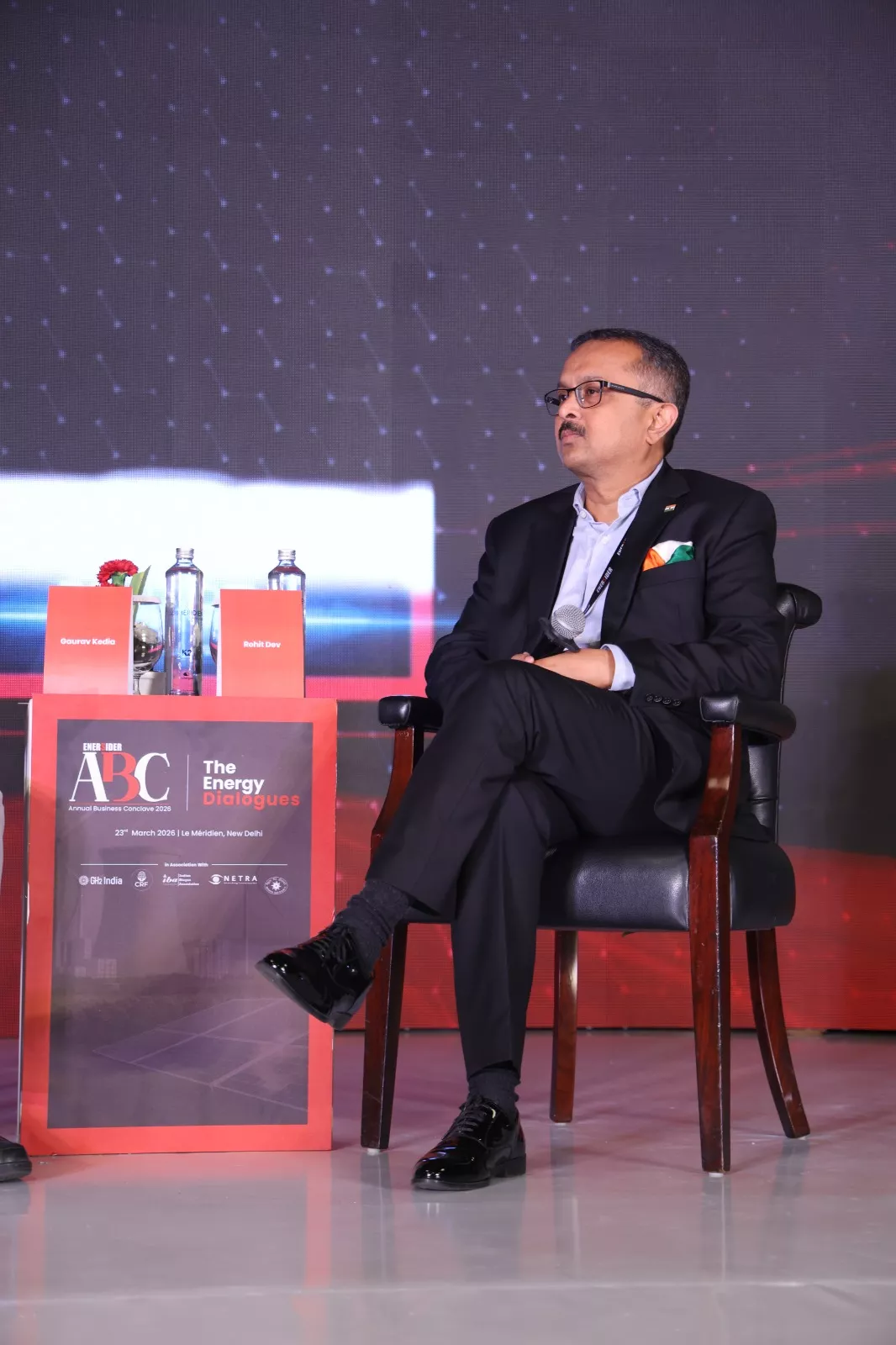
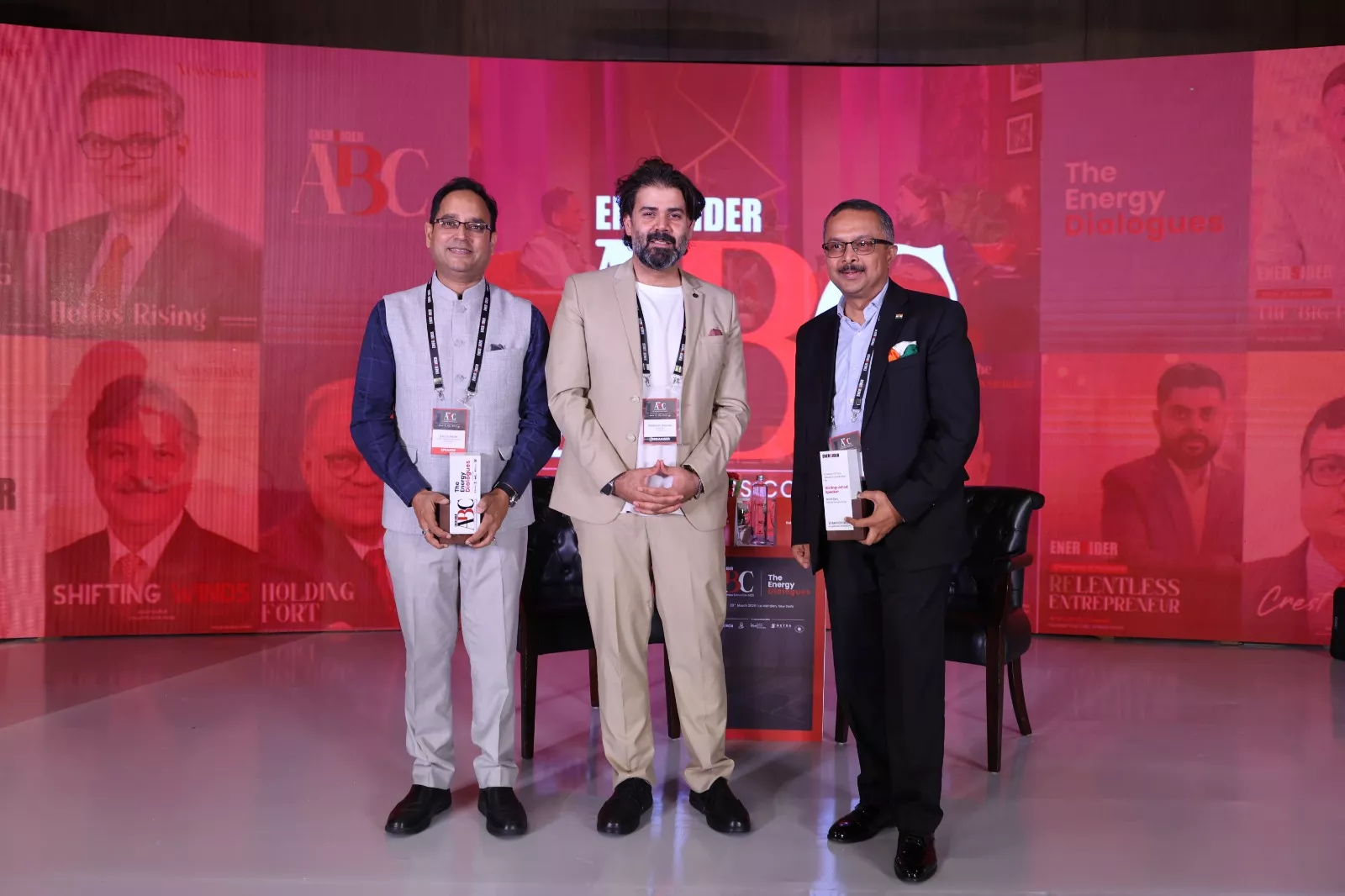
ENABLING ENERGY CITIZENSHIP: DECARBONISE. DECENTRALISE. DIGITISE.
India’s energy transition is entering a crucial decade that demands resilient systems, strong policy-industry alignment, and tochnology-driven solutions. This session gathers leaders shaping the clean-energy landscape to discuss how solar, wind, bioenergy. hydrogen, and advanced gas networks can accelerate decarboniscation while enhancing energy security, it also examines the infrastructure and manufacturing needed to support this.
Decarbonisation Without Disruption: Road Map for India's Energy Transition
India’s macroeconomic and energy policy landscape in 2026 makes it clear that energy security has emerged as a core national priority. Both Union Budget 2026 and the Economic Survey 2025-26 situate climate action within the broader challenge of building a reliable, affordable, and resilient energy system, rather than treating decarbonisation as an isolated objective. The Economic Survey explicitly frames climate policy as part of energy system management, prioritising affordability, reliability, and security alongside emissions reduction, and calling for a holistic energy strategy rather than fragmented climate interventions. Union Budget 2026 reinforces this framing. While it expands fiscal support for renewable energy, clean technologies, and grid-scale infrastructure, it simultaneously maintains, and in some cases significantly increases, the allocations for coal, power, and firm capacity. This dual emphasis reflects a clear policy recognition: India’s energy transition must proceed without undermining growth, access, or system stability…
Green Hydrogen Dialogue: From Vision to Bankable Scale — Building India’s Green Molecules Market
India’s energy transition is entering a crucial decade that demands resilient systems, strong policy-industry alignment, and tochnology-driven solutions. This session gathers leaders saGreen hydrogen is increasingly viewed as a cornerstone of India’s future energy system—capable of decarbonising hard-to-abate sectors and creating new green industrial pathways, while strengthening long-term energy independence. This session will examine how the sector is translating national ambition and industry momentum into large-scale opportunity.
However, the near-term challenge is not “interest” but execution at scale: converting policy intent into bankable projects, securing firm offtake, aligning power procurement and grid realities, ensuring credible certification/traceability for domestic and export markets, and mobilising affordable capital.haping the clean-energy landscape to discuss how solar, wind, bioenergy. hydrogen, and advanced gas networks can accelerate decarboniscation while enhancing energy security, it also examines the infrastructure and manufacturing needed to support this.
Accelerating Cleantech Manufacturing and Adoption
India’s net-zero transition is moving into a more execution-focused phase—one where success will depend not only on ambition and policy intent, but on the ability to build competitive manufacturing capacity, strengthen supply chains, and accelerate adoption of proven clean technologies across power, mobility, and industry.
This session will examine how India can translate clean-tech momentum into industrial scale and repeatable commercial deployment. The discussion will focus on the practical enablers of growth: domestic manufacturing competitiveness, localization of critical components, project bankability, standards and quality assurance, customer adoption, and access to strategic capital. It will also explore the importance of workforce and skill development, stronger industry–academia collaboration, and more effective knowledge-sharing across stakeholders to reduce duplication of effort, break through institutional silos, and shorten the time from innovation to large-scale deployment.
As India builds its next generation of clean-energy industries, the ability to connect policy, capital, technology, talent, and market demand will be critical. The session will also highlight the importance of enhancing women’s participation and leadership in the net-zero transition, including through initiatives such as WiN with NETRA, to ensure the sector benefits from a wider talent pool, stronger collaboration, and more inclusive growth. Together, industry, investors, policymakers, startups, and research institutions can help India emerge not only as a major market for cleantech, but also as a global hub for scalable, investable, and implementation-ready net-zero solutions…